Modern technicians are rewriting the automotive career playbook
For decades, the image of an automotive technician has remained largely unchanged in the public imagination. Many still picture oil-stained overalls, spanners and long hours spent beneath the bonnet of a vehicle.
Share with friends
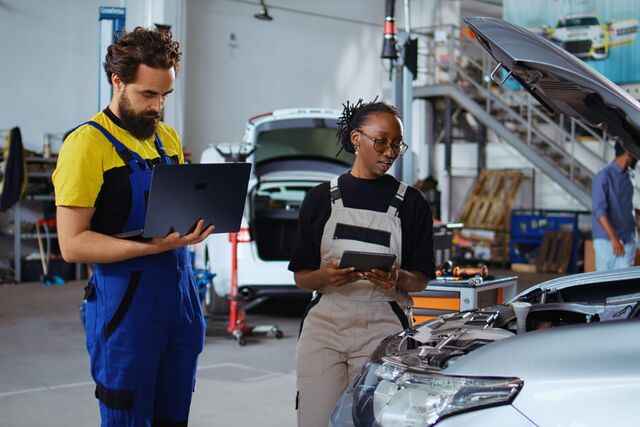
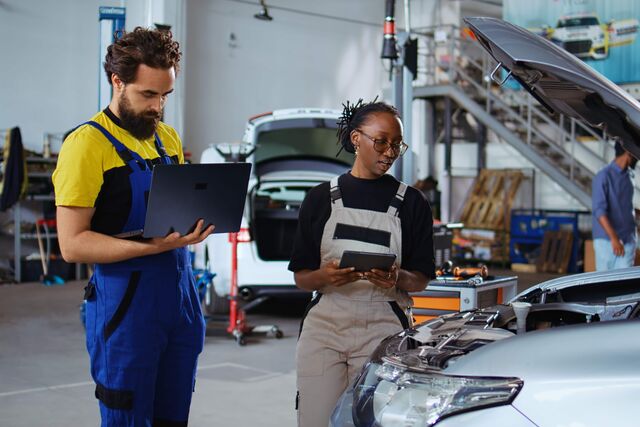
Yet the reality inside modern dealership workshops is vastly different, with today's technicians working in an environment increasingly shaped by software, electronics and advanced diagnostics.
Modern vehicles have evolved into highly sophisticated machines that rely on dozens, and in some cases hundreds, of interconnected electronic control units. As a result, the role of the technician has transformed from primarily mechanical repair work into a profession requiring an understanding of computer systems, data analysis and complex fault diagnosis.
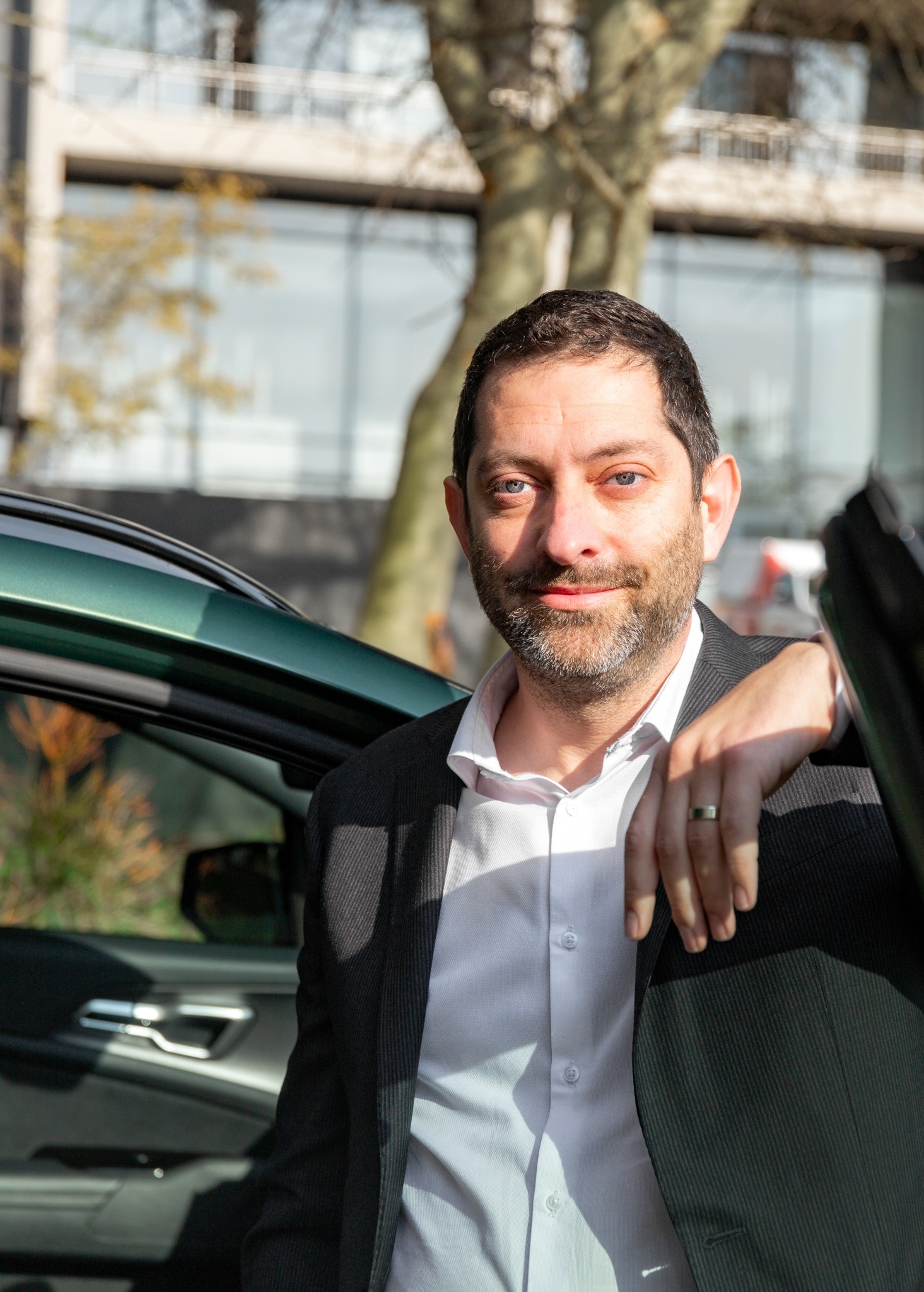
"Today's automotive technicians spend as much time analysing diagnostic data on high-powered laptops and tablets as they do turning a spanner," says Brandon Cohen, Chairperson of the National Automotive Dealers' Association (NADA). "As vehicles have evolved from purely mechanical machines into complex computers on wheels, the role of the technician has undergone a quiet revolution, turning a traditional trade into one of the most dynamic, high-tech careers available to young people today."
Brandon Cohen, Chairperson of the National Automotive Dealers' Association (NADA).
The transformation has taken place gradually over several decades. Vehicles built before the 1980s relied almost entirely on mechanical systems, with fuel delivery, ignition and other functions adjusted manually. The arrival of engine control units in the 1980s and 1990s marked the first major shift towards digital management systems.
As safety, emissions and convenience technologies expanded during the 2000s, manufacturers added dedicated control modules for systems such as anti-lock braking, automatic transmissions and airbags. Today, modern vehicles feature sophisticated electronic networks that manage everything from driver assistance functions to battery management systems and over-the-air software updates.
This growing complexity has significantly changed the skills required within the workshop environment.
"Today's automotive master technician can legitimately be compared to a medical specialist in terms of the duration, intensity and continuous learning required to excel," says Brandon. "They are part mechanical engineer, part software analyst and part electronics expert. Diagnostic work requires deep critical thinking, code interpretation and systematic troubleshooting across multiple digital systems."
Despite the increasing demand for these specialised skills, the automotive industry continues to face a shortage of qualified technicians. According to Brandon, outdated perceptions surrounding technical careers remain one of the biggest challenges.
"Yet, despite this technical complexity, South Africa faces a growing scarcity of qualified automotive technicians," he says. "A key barrier is the persistent stigma surrounding technical trades."
To address this challenge, initiatives such as NADA's Motoring Mavericks programme are working to raise awareness of the opportunities available within the retail automotive sector.
For young people interested in technology, innovation and problem-solving, today's workshop offers a career path that extends far beyond traditional vehicle repair. As vehicles become increasingly connected, electrified and software-driven, the demand for highly trained technicians is only expected to grow.
"It's time to rethink the trade," says Brandon. "The modern technician isn't just fixing cars. They are maintaining the complex, computerised mobility systems that keep South Africa moving."
When Cobus Coetzee (photo) accepted the opportunity to join the Morgan Group in Upington, he had to weigh up more than a new position. The move meant exchanging the West Coast’s cooler climate and seaside lifestyle for the Northern Cape’s desert heat, while taking responsibility for a multi-franchise operation spread across several premises.
With the steep rise in fuel prices since March this year leading to historic record highs following massive increases in October, the government intervention annouched this week, is widely welcomed.
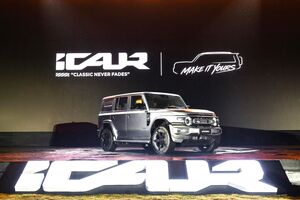
The iCAUR V-Series family has grown with the arrival of the new V25, unveiled at the 2026 iCAUR International User Summit in Wuhu, China. As the brand continues its international expansion, the V25 is expected to play a key role in attracting buyers seeking a rugged-looking SUV with modern electric technology.
With the steep rise in fuel prices since March this year leading to historic record highs following massive increases in October, the government intervention annouched this week, is widely welcomed.
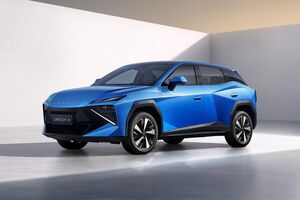
Omoda has confirmed that the new C4 will become the first model from the Chery Group to be built in South Africa, with production set to take place at the company's Rosslyn manufacturing facility in Gauteng.
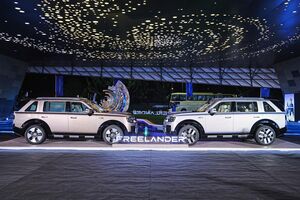
The launch of a new vehicle brand is a relatively rare event in the automotive industry, making the arrival of Freelander one of the more notable developments of 2026.