

Chery names its first bakkie Grootman
Chery has named its first bakkie for South Africa Grootman, a name chosen by South Africans. The model is planned to make its local debut in the first quarter of 2027.
- Product News
- 2 October 2026
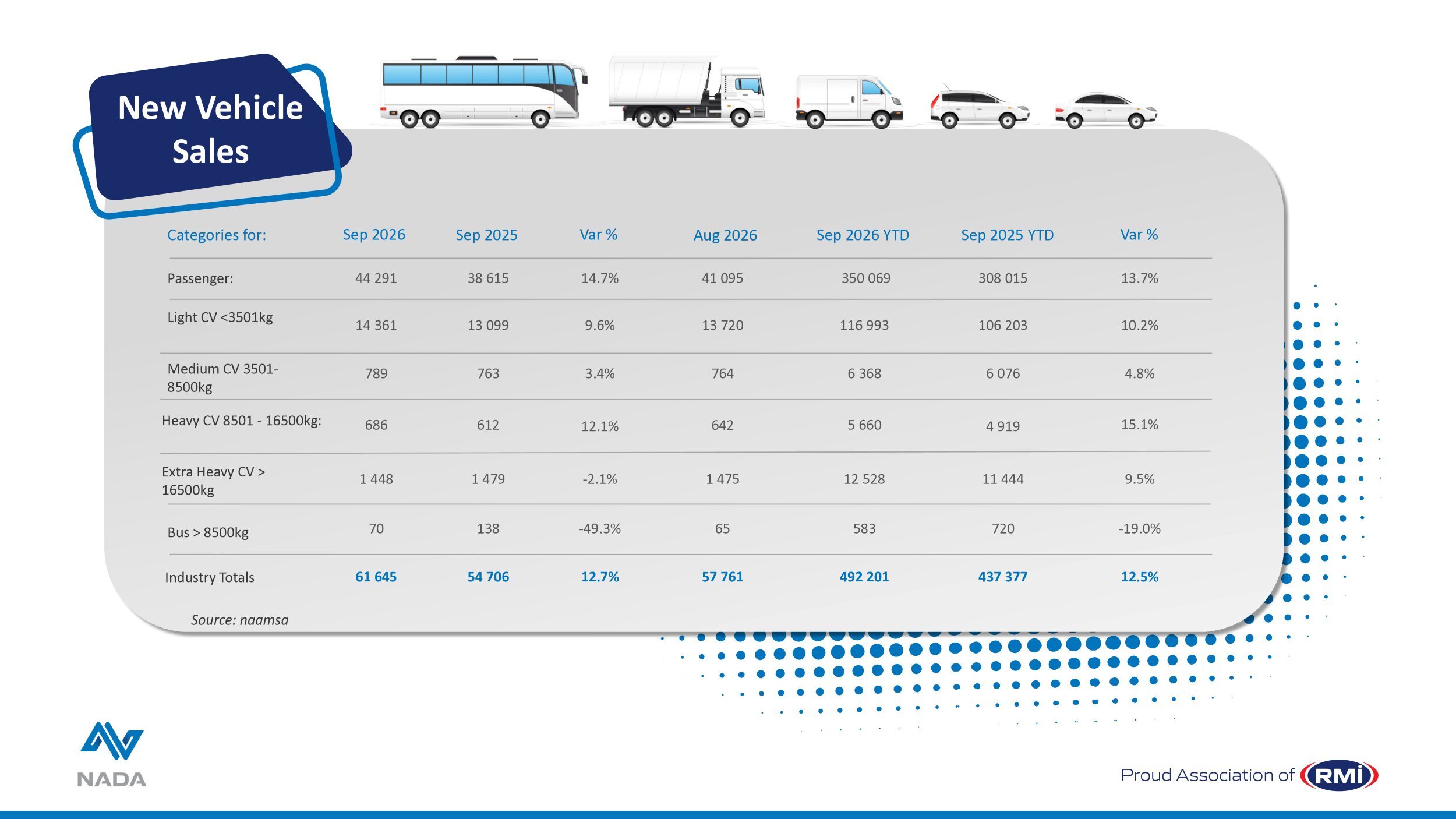
South Africa’s domestic new-vehicle market strengthened in September, recording 61 645 sales, its highest monthly total of 2026. Sales increased by 3 747 vehicles, or 6.5%, from August’s originally reported total and were 12.7% higher than in September 2025.
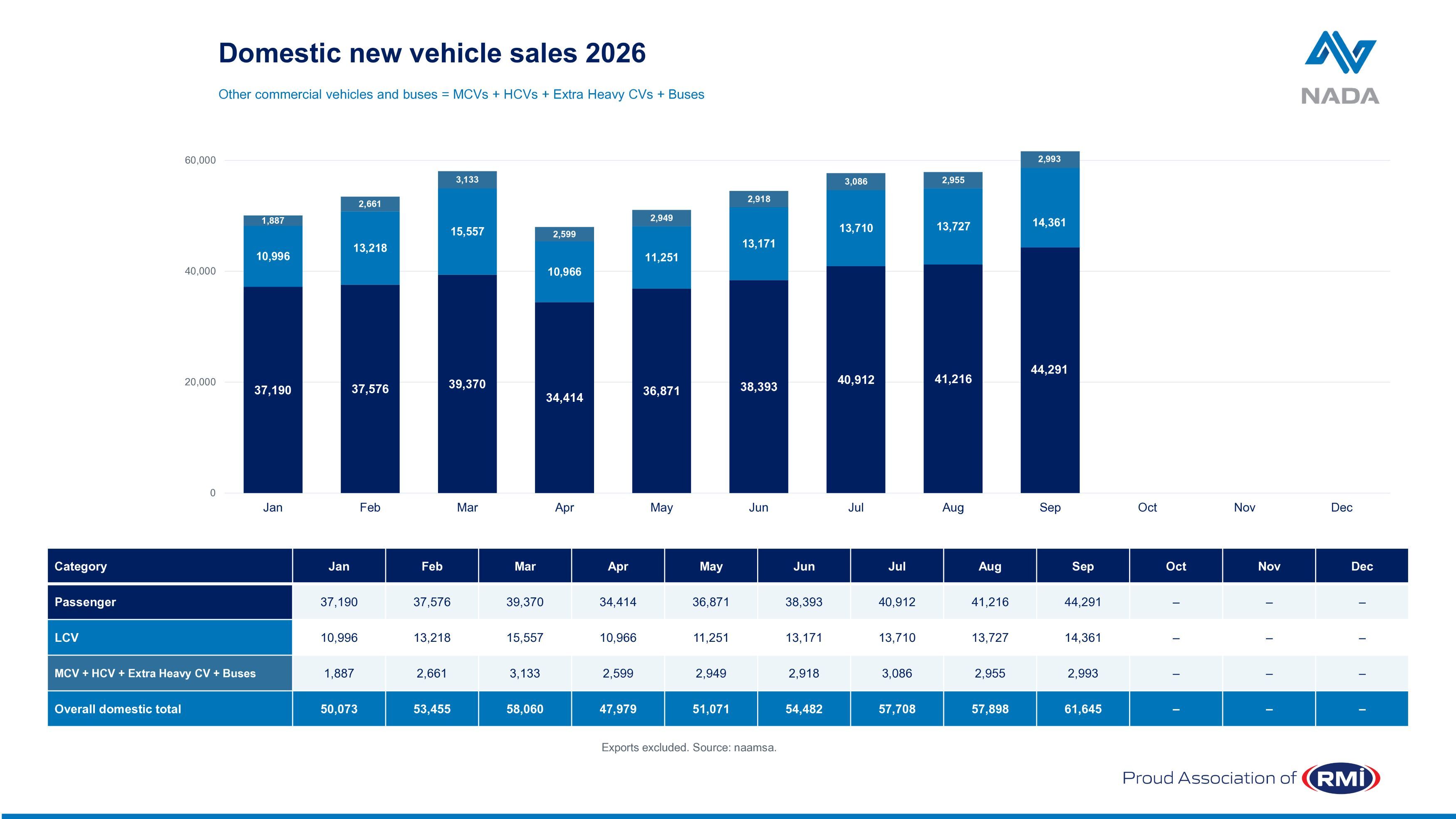
The result completed a strong third quarter, with domestic sales reaching 177 251 units, up 15.4% from the second quarter and 12.0% from the corresponding quarter last year. The improvement followed a 5.0% decline between Q1 and Q2.
“September’s results are encouraging, and the stronger third quarter gives dealers and manufacturers a positive foundation for the final months of the year,” says Brandon Cohen, Chairperson of the National Automobile Dealers’ Association (NADA). “The opportunity now is to sustain that momentum by matching the vehicles and finance options available to what customers need and can afford.”
September’s increase followed the relatively small movement between July and August, when originally reported domestic sales rose by just 190 vehicles. Passenger vehicles accounted for most of September’s monthly gain, increasing by 3 075 units to 44 291. Light commercial vehicle sales rose by 634 units to 14 361, while the remaining commercial vehicle and bus categories together increased by 38 units to 2 993.
Across the third quarter, passenger vehicle sales increased by 15.3% compared with Q2, while light commercial vehicle sales rose by 18.1%.
“Year-on-year growth is encouraging. The monthly and quarterly figures add useful context by showing how demand is moving across vehicle categories and sales channels,” says Brandon.
“That fuller picture helps dealers and manufacturers plan stock and support customers as they weigh financing and running costs.”
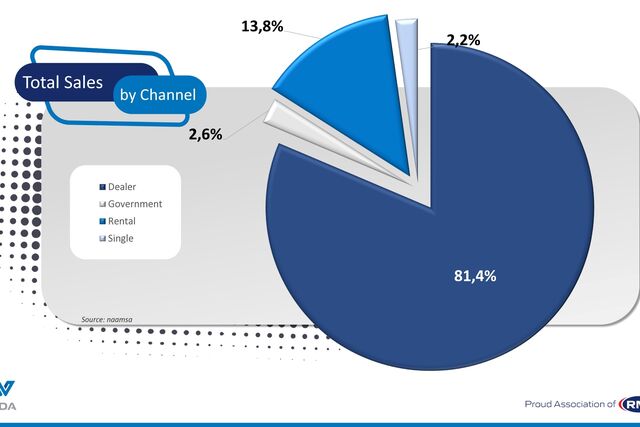
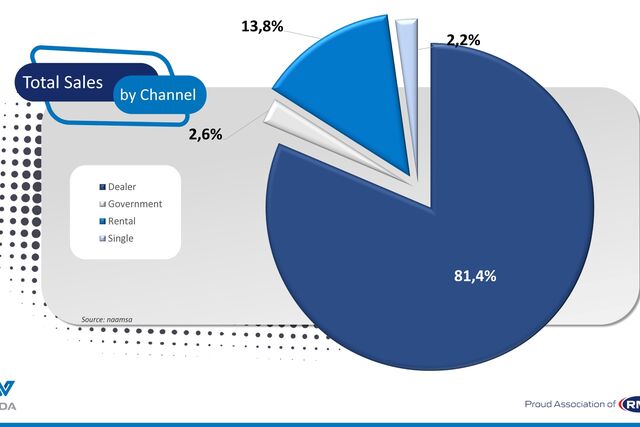
An estimated 81.4% of September’s industry sales were recorded through the dealer channel. Rental purchases accounted for 13.8% of total sales, compared with 13.4% in August, and 18.4% of September’s passenger vehicle sales.
Rental fleet purchases therefore remain a meaningful contributor to the market. New model arrivals, promotional activity and quarter-end sales campaigns may also have supported September’s performance, although the headline figures do not establish the contribution of each factor.
“The composition of demand matters,” Brandon says. “Rental fleet renewal and individual customers replacing their vehicles can contribute to the same headline result, while reflecting different purchasing needs. Understanding that mix helps the industry assess how demand is developing.”
For South African households, the stronger sales result comes alongside continuing pressure on monthly budgets. The latest available consumer inflation figures, for August, showed annual inflation of 4.4%. Food and non-alcoholic beverage inflation was 1.1%, while transport inflation remained substantially higher at 8.8%. These are August readings, rather than a measure of September’s price pressures.
The Reserve Bank’s September decision to raise its policy rate by 25 basis points to 7.25%, effective from 25 September, also makes financing affordability a consideration for the months ahead. Its late-month timing means September’s sales figures cannot yet demonstrate the full effect on purchasing decisions.
“Affordability is measured in rands available at the end of each month,” Brandon says. “Dealers work with customers who are weighing the price of a vehicle against the cost of financing and running it. A useful reading of the sales figures must take that consumer decision into account.”
Higher fuel costs may encourage more buyers to consider hybrids and plug-in hybrids. According to naamsa, new-energy vehicle sales reached 18 945 units during the first eight months of 2026, already exceeding the 16 703 sold throughout 2025 by 13.4%.
“Greater choice gives customers more ways to meet their mobility needs,” says Brandon. “Hybrids and plug-in hybrids may attract further interest as buyers assess fuel costs, but the decision must consider the purchase price, finance repayments and likely running costs. For plug-in vehicles, access to charging and driving patterns also matter.”
“September provides grounds for optimism,” Brandon concludes. “Sustaining that progress will depend on helping customers make affordable choices that work for them throughout ownership.”
Chery has named its first bakkie for South Africa Grootman, a name chosen by South Africans. The model is planned to make its local debut in the first quarter of 2027.
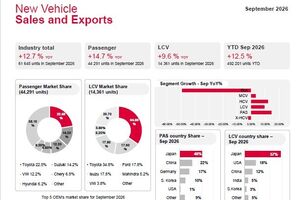
South Africa’s new vehicle market recorded aggregate domestic sales of 61 645 units in September 2026, an increase of 12.7% compared with the 54 706 units sold during September 2025.
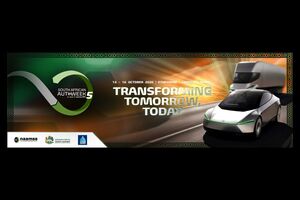
SA Auto Week 2026 is scheduled to take place in eThekwini, KwaZulu-Natal, from 13 to 16 October, with the event marking five years of SA Auto Week.
 Advertisement
 Advertisement
I have bad reflexes. I was once run over by a car being pushed by two guys
Woody Allen
South Africa’s new vehicle market recorded aggregate domestic sales of 61 645 units in September 2026, an increase of 12.7% compared with the 54 706 units sold during September 2025.
SA Auto Week 2026 is scheduled to take place in eThekwini, KwaZulu-Natal, from 13 to 16 October, with the event marking five years of SA Auto Week.

A dispute over the payload ratings of Jetour’s T1 and T2 SUVs has developed further following weighbridge testing in Gauteng, with the Automobile Association (AA) questioning some of the results and Jetour South Africa maintaining that its revised figures have been independently verified.