
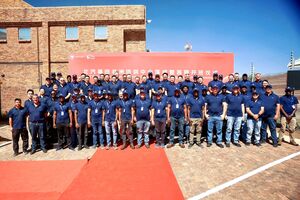
BAIC Foton trains African dealer teams in South Africa
BAIC Foton has opened a regional training centre in South Africa aimed at helping dealer and service teams return commercial vehicles to service more quickly.
- Industry News
- 11 November 2026
Many South African motorists still do not realise that a service plan is not a compulsory part of buying a new vehicle, according to Right to Repair SA.

The organisation raised the issue after speaking to motorists, workshop owners and industry representatives at Automechanika Johannesburg 2026, where it discussed the Automotive Aftermarket Guidelines. While some consumers showed a firm grasp of their rights, others were surprised to learn that a service plan can be bought separately from the vehicle or left out altogether.
Kate Elliott, CEO of Right to Repair SA, says the conversations about service plans revealed some of the largest gaps in consumer knowledge at the event. The Competition Commission’s Automotive Aftermarket Guidelines state that dealers and vehicle manufacturers should offer service and maintenance plans separately from the vehicle purchase price. This allows buyers to weigh the cost and benefits of a plan on its own and choose an option that suits their finances and maintenance preferences.

Kate says the focus should be on informed decision making rather than on whether a customer takes out a plan. “A service plan may be the right choice for some consumers, but it should be selected because they understand its value. Buyers should request separate pricing for the vehicle and the service plan, review the benefits carefully and compare available alternatives before making a commitment.”
Right to Repair SA also heard from consumers who had negotiated vehicle purchases without bundled service plans. The organisation says these accounts suggest growing awareness among motorists who are taking greater control over what they buy.
Confusion was not limited to buyers, however. Several independent workshop operators were unsure how the Guidelines apply to their businesses, and some believed they needed special approval or formal membership of an industry body to take part in the aftermarket sector.
Kate says this misunderstanding remains widespread. She notes that workshops do not have to belong to Right to Repair SA or any specific industry body to service vehicles under the Guidelines. Industry associations can provide training, support and representation, but membership is not a prerequisite.
Independent workshops must still meet certain professional standards. These include following repair procedures approved by the manufacturer, keeping accurate servicing records and carrying appropriate commercial insurance. Workshops must also tell customers whether they are insured and explain any potential risks where cover is not in place.
Questions raised at the GLOBAL ONE Southern Africa Invitational, held alongside Automechanika Johannesburg, pointed to the same need for continued education across the industry. Right to Repair SA believes genuine consumer choice is only possible when both vehicle owners and service providers understand the rights and responsibilities set out in the Guidelines.
The organisation says greater awareness will contribute to a more transparent and competitive aftermarket sector in South Africa.

BAIC Foton has opened a regional training centre in South Africa aimed at helping dealer and service teams return commercial vehicles to service more quickly.
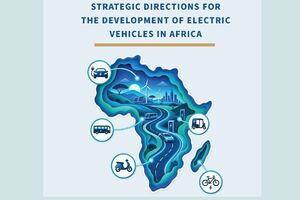
Energy security, electrification, grid infrastructure and sustainable transport take centre stage at COP31 in Antalya, Türkiye, as the climate conference devotes a full day to energy and transport. Africa enters that conversation with a plan of its own: the African Union’s (AU) Continental Framework on Electric Mobility (eMobility).
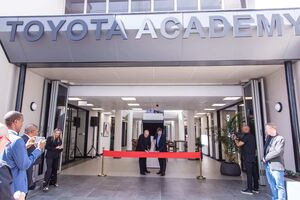
South Africa continues to face persistent technical skills shortages, and Toyota South Africa Motors (TSAM) has now reopened the training hub where it develops artisans and technical specialists. The Toyota Academy Learning for Africa (TALA) returns after a significant renovations investment.
 Advertisement
 Advertisement
Cars are the ultimate symbol of freedom, independence and individualism. They offer the freedom to ‘go anywhere,’ whenever it suits and with whom one chooses.
Sarah Redshaw
BAIC Foton has opened a regional training centre in South Africa aimed at helping dealer and service teams return commercial vehicles to service more quickly.
South Africa continues to face persistent technical skills shortages, and Toyota South Africa Motors (TSAM) has now reopened the training hub where it develops artisans and technical specialists. The Toyota Academy Learning for Africa (TALA) returns after a significant renovations investment.

Artificial Intelligence (AI) can play a vital role for customers to make the right choice when hunting for a pre-owned vehicle.