
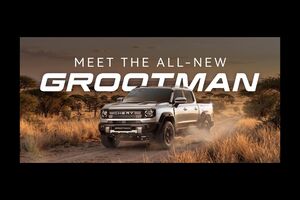
Chery names its first bakkie Grootman
Chery has named its first bakkie for South Africa Grootman, a name chosen by South Africans. The model is planned to make its local debut in the first quarter of 2027.
- Product News
- 2 October 2026
The threshold for local manufactured car parts should be increased. This would create jobs for young people and will help alleviate the current pressure on international supply chains.
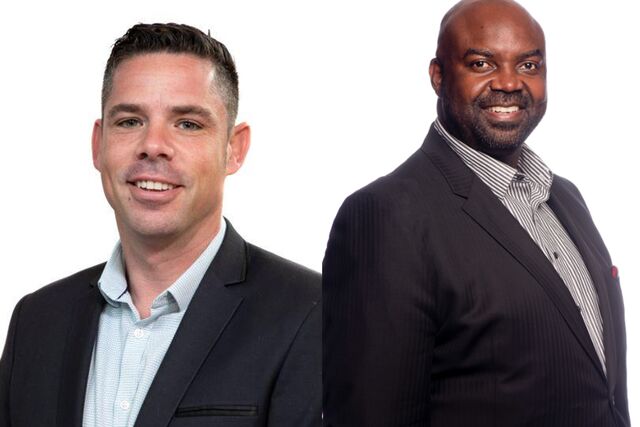
“Growing our local supply base is vitally important and is high on our agenda,” says Mikel Mabasa, CEO of naamsa, the automotive industry business council. “The government has a very important role in making this possible, through the successful running of state enterprises.
Mikel says that manufacturers’ supply chains have been placed under severe additional pressure from issues such as Eskom’s loadshedding problems, strikes in adjacent industries, the blocking of important routes like the N3 and its impact on both imports and exports, and the condition of the railway network in South Africa.
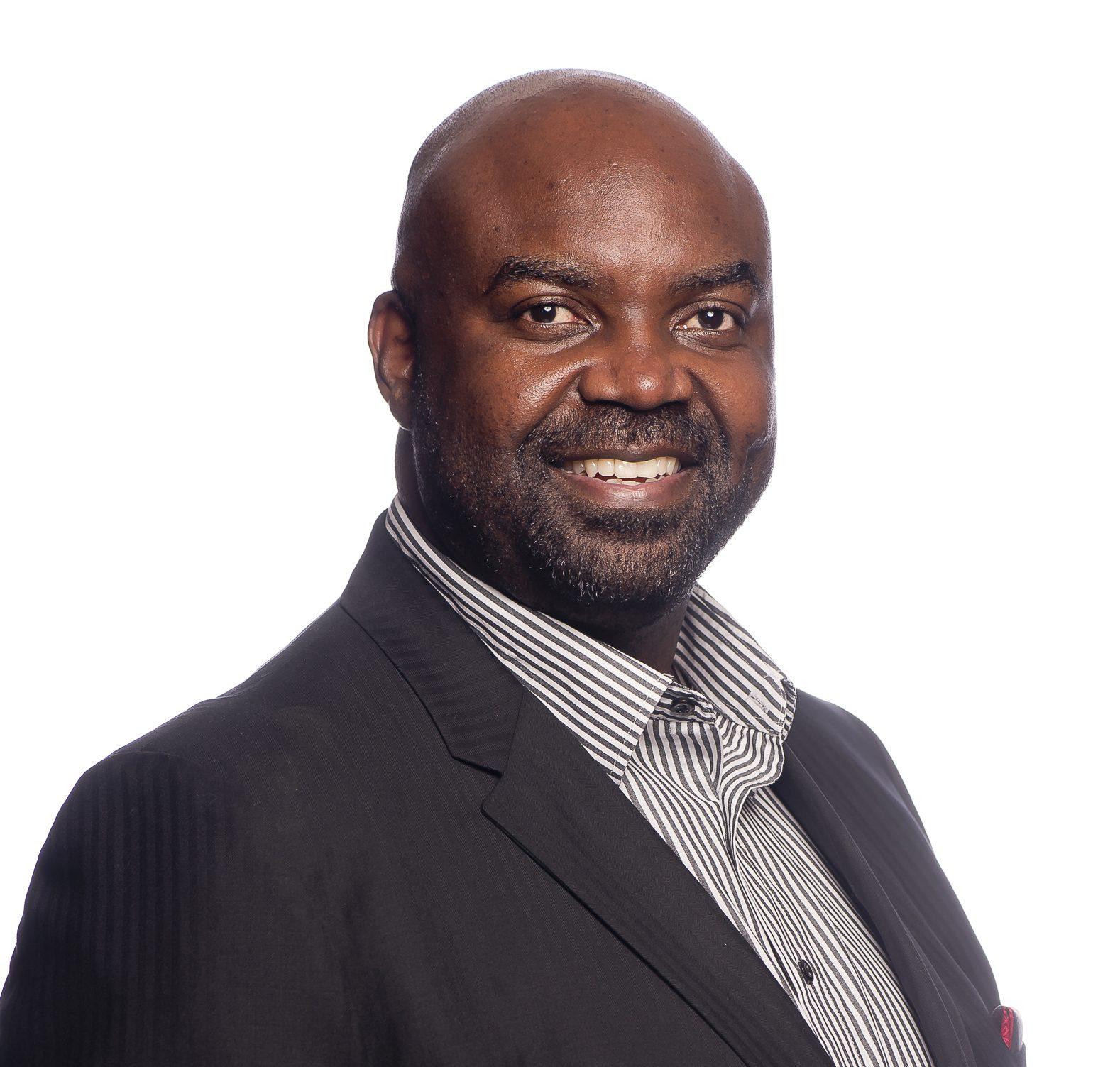
Dealerfloor approached him about progress, if any, in the worldwide supply chain problems and especially the effects on the parts side of the industry. “Although we have some manufacturers manufacturing vehicles locally, about 60% of parts are still imported. This is where our challenge lies.
“Increased local production could go a long way to relieving some of the pressures, both by the OEMs and independent universal part manufacturers.” Mikel says the availability of parts stretches over the value chain with longer waiting periods in some cases.
Asked about the outlook and if there were signs of progress, he tells Dealerfloor that stock supply of new vehicles is not necessarily better, but it’s also not getting worse. “I think we have reached a plateau and trust we will see a drastic improvement in the foreseeable future. I remain optimistic about the future of our vehicle industry,” he says.
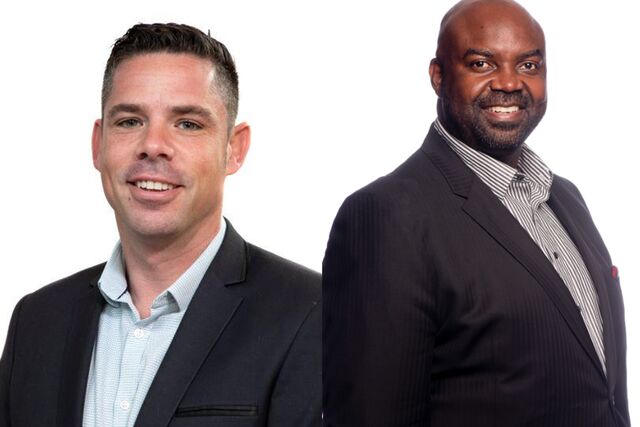
Mark Dommisse, the chairperson of the National Automobile Dealers’ Association (NADA), tells Dealerfloor the stock supply of new vehicles remains a challenge, especially for European vehicle manufacturers.
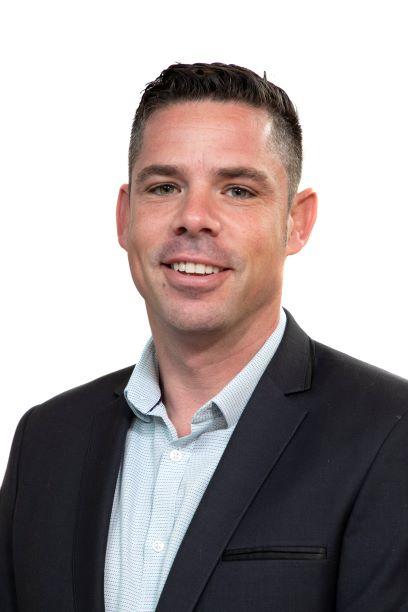
“If you look at our monthly sales figures from naamsa, manufacturers in central Asia and the East, like Suzuki and Mahindra, did exceptionally well. The war in the Ukraine where a number of parts for many European manufacturers are produced did put strain on new-vehicle production with premium manufacturers on that continent having serious challenges.”
His advice to customers is to stay in touch with their dealers and for dealerships to keep customers up to date about developments affecting them. “It is important to keep in mind that the problem around the limited supply of new vehicles is not only a South African problem but an international one,” Mark says.
Chery has named its first bakkie for South Africa Grootman, a name chosen by South Africans. The model is planned to make its local debut in the first quarter of 2027.
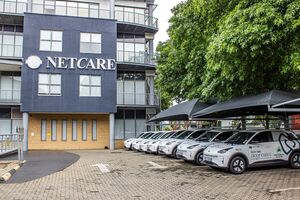
Netcare Diagnostics (a Netcare Group business) is introducing its first fully electric vehicles to its transport fleet, starting with shorter urban routes for collecting patient pathology specimens.
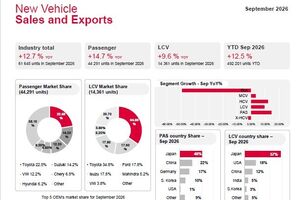
South Africa’s new vehicle market recorded aggregate domestic sales of 61 645 units in September 2026, an increase of 12.7% compared with the 54 706 units sold during September 2025.
 Advertisement
 Advertisement
You can't buy happiness but you can buy cars and that's kind of the same thing.
Unknown
Netcare Diagnostics (a Netcare Group business) is introducing its first fully electric vehicles to its transport fleet, starting with shorter urban routes for collecting patient pathology specimens.
South Africa’s new vehicle market recorded aggregate domestic sales of 61 645 units in September 2026, an increase of 12.7% compared with the 54 706 units sold during September 2025.
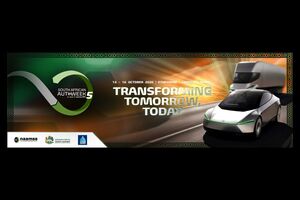
SA Auto Week 2026 is scheduled to take place in eThekwini, KwaZulu-Natal, from 13 to 16 October, with the event marking five years of SA Auto Week.