

TVS powers South Africa’s growing delivery economy
South Africa’s rapidly expanding delivery sector is driving strong demand for affordable, dependable motorcycles that can withstand the demands of daily commercial use.
- Product News
- 20 November 2026
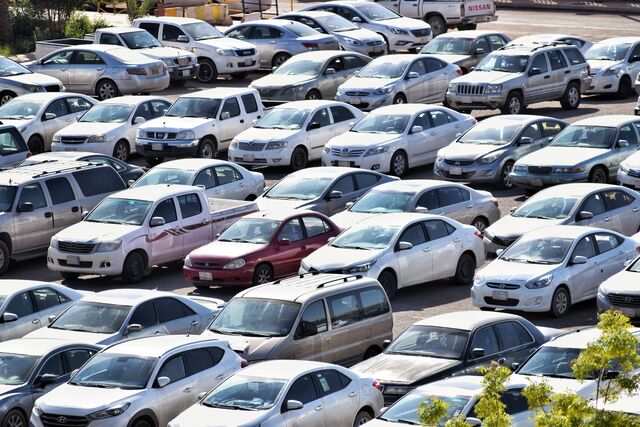
Automotive business council, naamsa, has welcomed the positive performance and growth in the new vehicle market in April 2024 after eight consecutive months of decline.
Naamsa CEO, Mikel Mabasa, says the full month of no load-shedding probably supported business conditions.
Mabasa added that economic factors, including interest rates, unemployment rates, GDP growth rates, disposable income and exchange rates remain the most important aspects affecting new vehicle sales.
He says increases in interest rates changed the affordability model for consumers, with downsized purchases remaining a significant factor linked to consumers being more selective and financially conscious in their vehicle choices.
“After the upcoming May 2024 national elections and once the interest rate cutting cycle commences, [which is] likely during the second half of the year, prospects for the new vehicle market are anticipated to improve,” he says.
Total new vehicle sales rose last month by 2.2% to 38 172 units from the 37 358 vehicles sold in April 2023.
Of the total reported industry sales of 30 057 vehicles, an estimated 89.9% or 39 016 vehicles represented dealer sales, 5.0% sales to the vehicle rental industry, 2.7% sales to government and 2.4% sales to industry corporate fleets.
Sales of new passenger cars increased last month by 6.1% to 25 972 units from the 24 479 units sold in April 2023, with sales to the vehicle rental industry accounting for 6.6% of the new passenger vehicles sales recorded in the month.
However, sales of new light commercial vehicles, bakkies and minibuses dropped by 9.0% to 9 646 units in April 2024 from the 10 599 units sold in the corresponding month in 2023.
Sales of medium commercial vehicles increased year-on-year by 5.9% to 590 units last month and heavy truck and bus sales by 14.0% to 1 964 units.
South Africa’s rapidly expanding delivery sector is driving strong demand for affordable, dependable motorcycles that can withstand the demands of daily commercial use.
One of the main results of the 2026 Global EV Driver Survey, released by the Global EV Alliance (GEVA) this week, show that South African battery electric vehicle (EV) drivers are among the most satisfied in the world.
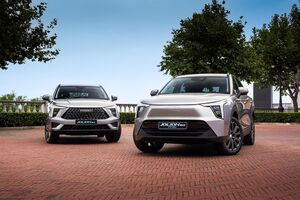
GWM South Africa has broadened its popular Jolion range with the introduction of the all-new Haval Jolion Max. Designed with modern families in mind, the newcomer combines increased interior space, new technology and a wider choice of powertrains, including petrol, hybrid and plug-in hybrid options.
 Advertisement
 Advertisement
Have you ever noticed that anybody driving slower than you is an idiot, and anyone going faster than you is a maniac?
George Carlin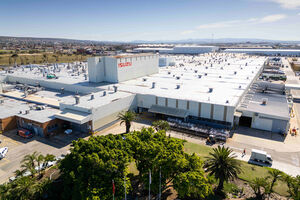
Isuzu Motors South Africa (IMSAf) has achieved a 38% reduction in Scope 1 and Scope 2 CO₂ emissions compared with its 2013 baseline while increasing vehicle production by 21% during the 2025/26 financial year at its Gqeberha manufacturing facility.

Diversifying oil supplies, investing in pipelines and rail infrastructure, improving port operations and expanding inland storage facilities are among the measures needed to reduce South Africa's vulnerability to international fuel supply disruptions.
Combined Motor Holdings (CMH) has appointed Charles Webber as the new Group CEO.