
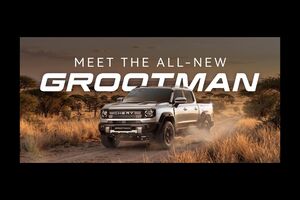
Chery names its first bakkie Grootman
Chery has named its first bakkie for South Africa Grootman, a name chosen by South Africans. The model is planned to make its local debut in the first quarter of 2027.
- Product News
- 2 October 2026
The winners of the 15th annual Toyota Dream Car Art Contest were announced at a virtual event hosted by Toyota South Africa Motors (TSAM).
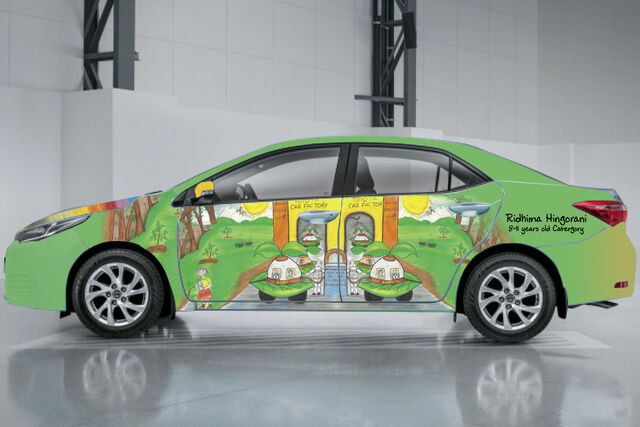
Earlier this year, TSAM invited children up to the age of 15 years to submit drawings of their imagined mobility solutions of the future. The competition had three age categories, namely: Under 8; 8 to 11 years and 12 to 15 years.
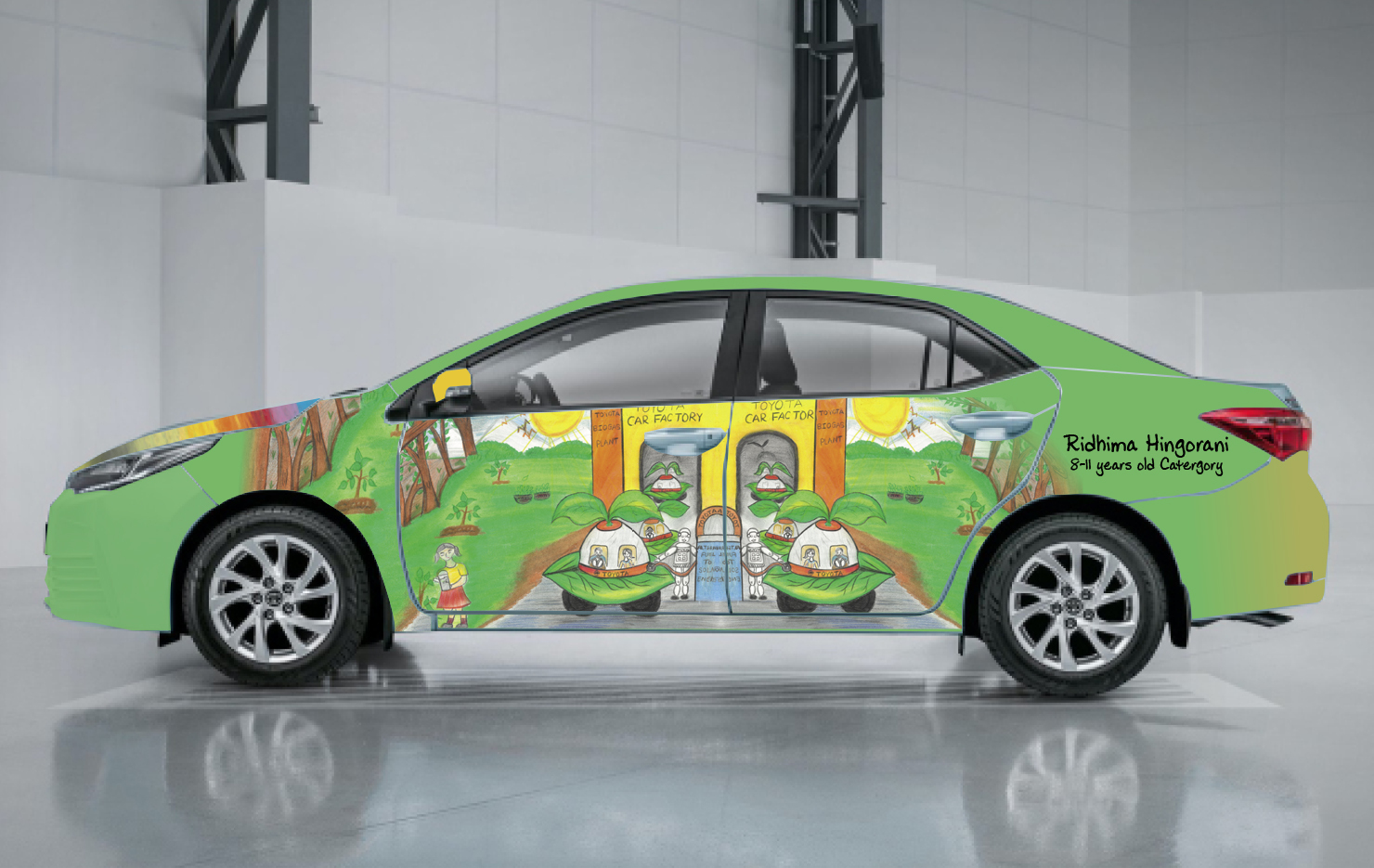
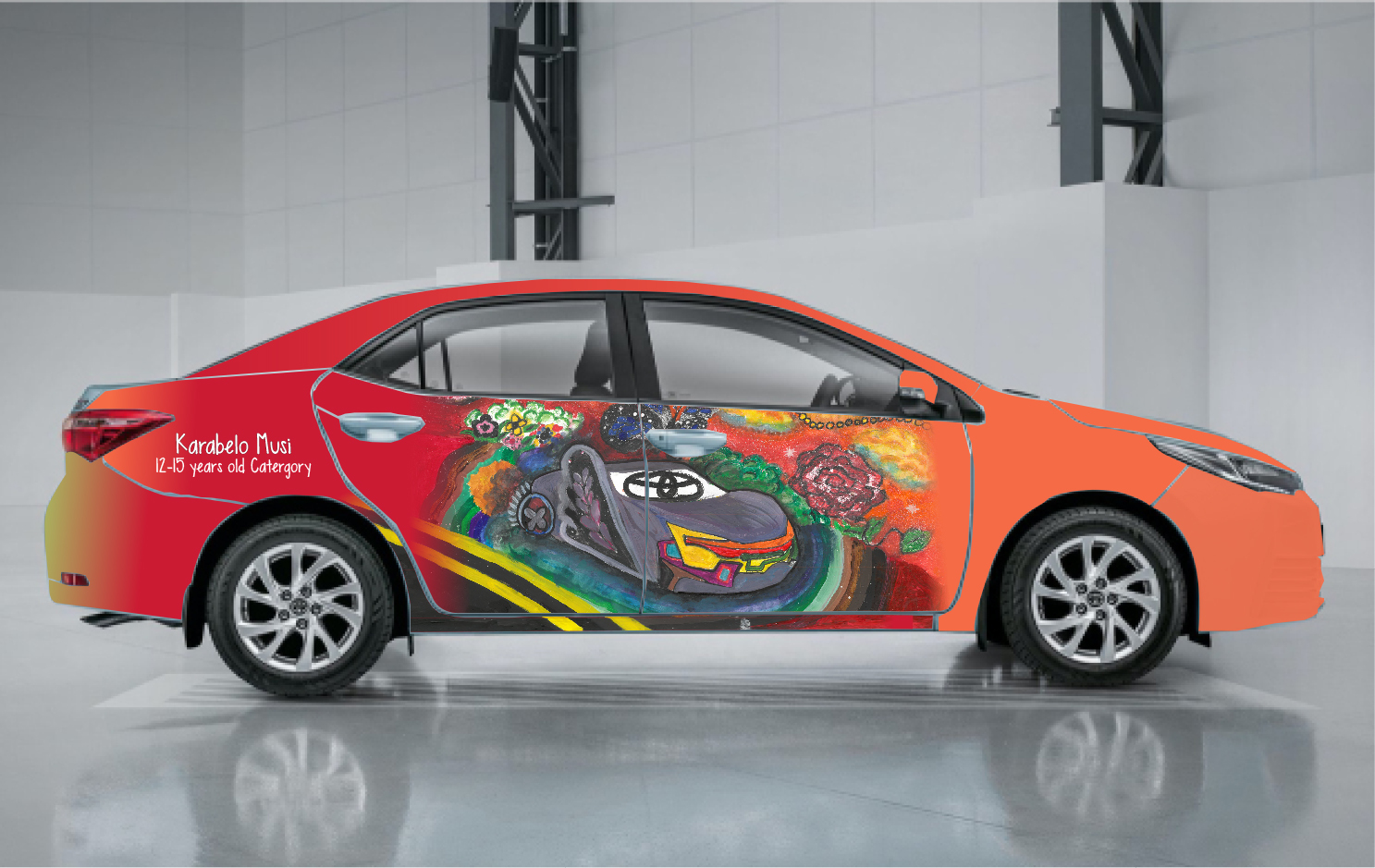
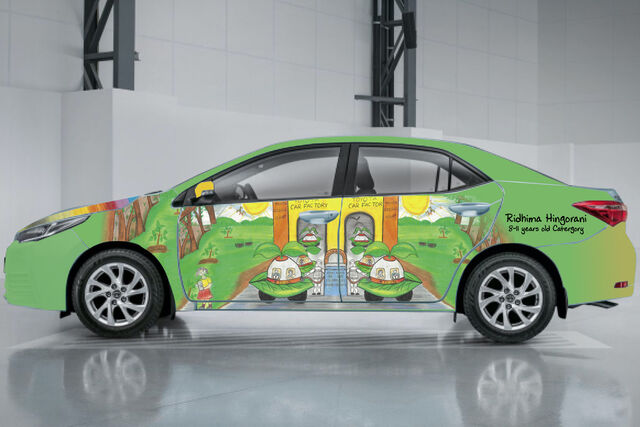
For the first time in the competition’s history, the winners’ prizes in each category were delivered in a vehicle emblazoned with their respective eye-catching artwork. “We are obviously sad that COVID-19 has made it impossible for us to host the winners at Toyota like we did before the pandemic hit, but we’ve had to improvise.
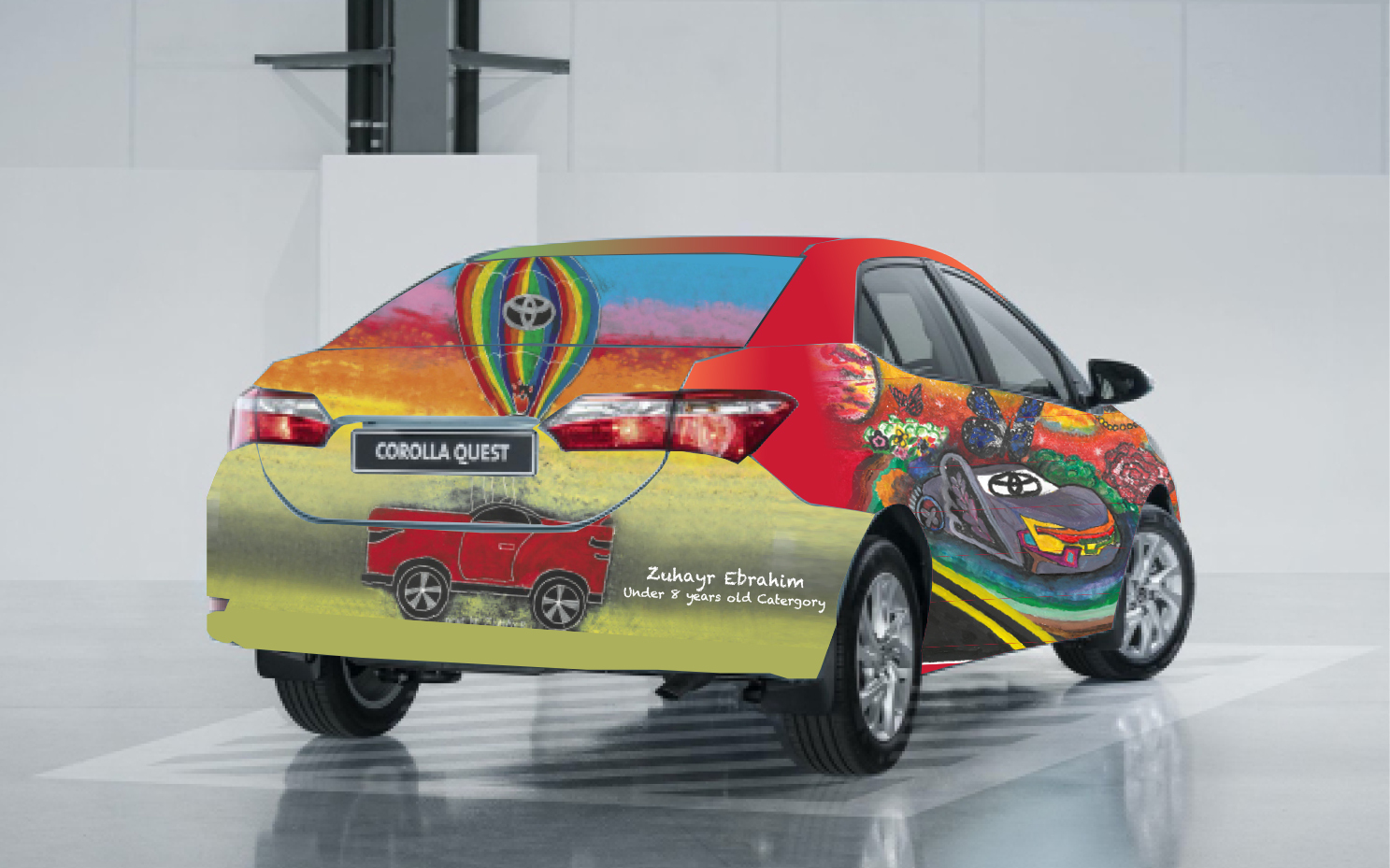
“The Dream Car competition is aimed at encouraging children to visualise and sketch mobility solutions of the future – and we hope that it was like seeing their artwork coming to life when they saw the cars that delivered their prizes,” says Glenn Crompton, Vice-President of Marketing at TSAM.
The first prize in the Under 8 category went to Zuhayr Syed Ebrahim for his “Air mobile”, which he says is based on his imagination to “see it race other air mobile cars and to see a great view on cruise mode”.
Ridhima Hingorani’s “Leaf car” claimed first spot in the 8 to 11 years category. She says her piece was inspired by her desire to create an eco-friendly vehicle “that works like a leaf… it will take energy from air and sunlight and will use biogas as an alternative fuel source”.
In the 12 to 15 years category, Karabelo Musi walked away with first prize for her “Toyota Dream Car” – a vehicle that is about creating “happiness to be spread throughout the world and for negativity to be sucked away”.
The competition, which attracted more than 11 000 entries, also recognised four runners-up in each category and ensured that they did not walk away empty-handed.
Each category winner received a PS5 to the value of R15 000, while the prize for second place was an Xbox valued at R7 000, third place a laptop to the value of R5 000, a tablet valued at R3 000 for fourth place and a R2 000 Makro voucher for fifth place.
Chery has named its first bakkie for South Africa Grootman, a name chosen by South Africans. The model is planned to make its local debut in the first quarter of 2027.
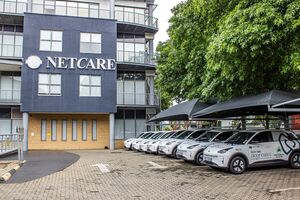
Netcare Diagnostics (a Netcare Group business) is introducing its first fully electric vehicles to its transport fleet, starting with shorter urban routes for collecting patient pathology specimens.
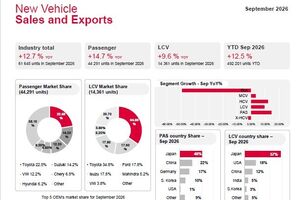
South Africa’s new vehicle market recorded aggregate domestic sales of 61 645 units in September 2026, an increase of 12.7% compared with the 54 706 units sold during September 2025.
 Advertisement
 Advertisement
I have bad reflexes. I was once run over by a car being pushed by two guys
Woody Allen
Netcare Diagnostics (a Netcare Group business) is introducing its first fully electric vehicles to its transport fleet, starting with shorter urban routes for collecting patient pathology specimens.
South Africa’s new vehicle market recorded aggregate domestic sales of 61 645 units in September 2026, an increase of 12.7% compared with the 54 706 units sold during September 2025.
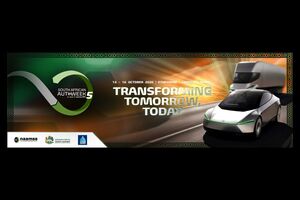
SA Auto Week 2026 is scheduled to take place in eThekwini, KwaZulu-Natal, from 13 to 16 October, with the event marking five years of SA Auto Week.