

Chery names its first bakkie Grootman
Chery has named its first bakkie for South Africa Grootman, a name chosen by South Africans. The model is planned to make its local debut in the first quarter of 2027.
- Product News
- 2 October 2026
The chief executives of automotive companies are largely pessimistic about the outlook for the industry over the next six months.
The confidence index of automotive business council, naamsa, revealed that 54% of chief executives at the end of the second quarter of this year believed domestic new vehicle sales would decline in the next six months of this year.
This is a significant increase on the 36% of chief executives who expressed this view in the first quarter of this year.
However, 31% of chief executives still believed new vehicles sales would increase in the next six months. This also represents a marked decline from the 43% of chief executives who held this view in the first quarter of 2023.
Chief executives of naamsa have also become significantly more negative about general new vehicle business conditions in the second quarter of this year compared to the first quarter.
The naamsa CEO Confidence Index revealed that 70% of chief executives now believed there would be a deterioration in general new vehicle business conditions in the next six months compared to 50% who held this view in the first quarter.
The percentage of chief executives who believed there would be an improvement in general new vehicle business conditions in the next six months has more than halved to 15% in the second quarter from 36% in the second quarter of this year.
The council noted that the views of the CEOs largely reflect a pessimistic outlook for all of the industry’s key performance indicators over the next six months, indicating that the multiplicity of negative considerations would still outweigh the positive ones.
It says energy and logistical constraints remain binding on the domestic economic growth outlook, limiting economic activity and increasing costs.
In addition, it says the current absence of a new energy vehicle policy framework to support the inevitable transition to new energy vehicles (NEVs) present major risks to business opportunities.
“Although the SA Reserve Bank has slightly increased its forecast for South Africa’s GDP growth from 0.3% to 0.4% for 2023, the gloomy medium-term outlook for business conditions in the new vehicle market correlates with a stagnating domestic economy,” it says.
It says the sentiment expressed by its chief executive members generally reflect the continued stressed business and consumer environment during the second quarter, with headline inflation shaped primarily by fuel, electricity and food price inflation.
It says lower disposable income has resulted in a buy-down or delayed replacement cycle, resulting in lower sales in the passenger car segment, in particular where affordability appears to be driving new vehicle sales.
The business council adds that persistent load-shedding and unplanned outages during the quarter also continued to disrupt business operations, impacting on business sentiment.
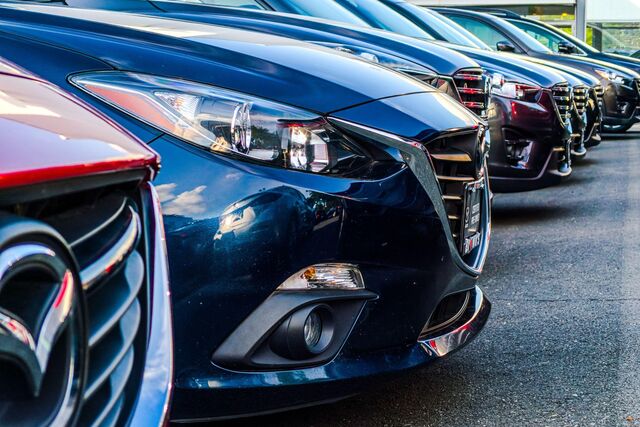
Chery has named its first bakkie for South Africa Grootman, a name chosen by South Africans. The model is planned to make its local debut in the first quarter of 2027.
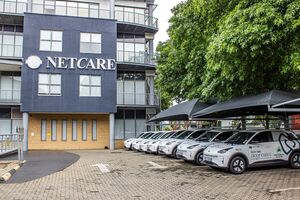
Netcare Diagnostics (a Netcare Group business) is introducing its first fully electric vehicles to its transport fleet, starting with shorter urban routes for collecting patient pathology specimens.
South Africa’s new vehicle market recorded aggregate domestic sales of 61 645 units in September 2026, an increase of 12.7% compared with the 54 706 units sold during September 2025.
 Advertisement
 Advertisement
I have bad reflexes. I was once run over by a car being pushed by two guys
Woody Allen
Netcare Diagnostics (a Netcare Group business) is introducing its first fully electric vehicles to its transport fleet, starting with shorter urban routes for collecting patient pathology specimens.
South Africa’s new vehicle market recorded aggregate domestic sales of 61 645 units in September 2026, an increase of 12.7% compared with the 54 706 units sold during September 2025.
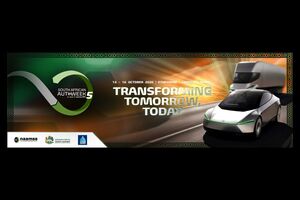
SA Auto Week 2026 is scheduled to take place in eThekwini, KwaZulu-Natal, from 13 to 16 October, with the event marking five years of SA Auto Week.