Few illustrate that better than Stellantis, which straddles both the United States (US) and Europe, and German premium automaker BMW as it struggles with a slump in China and cuts jobs, according to a report by Reuters.
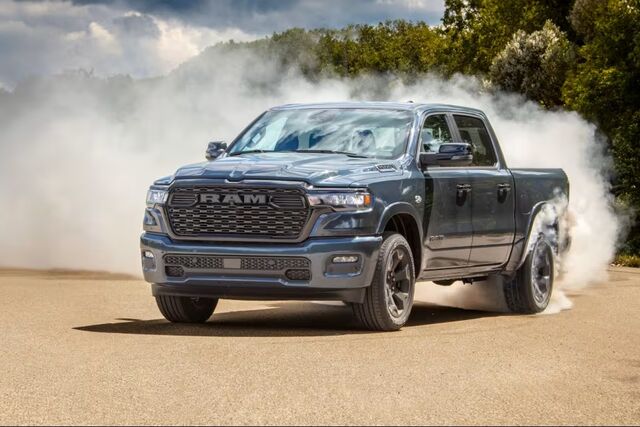
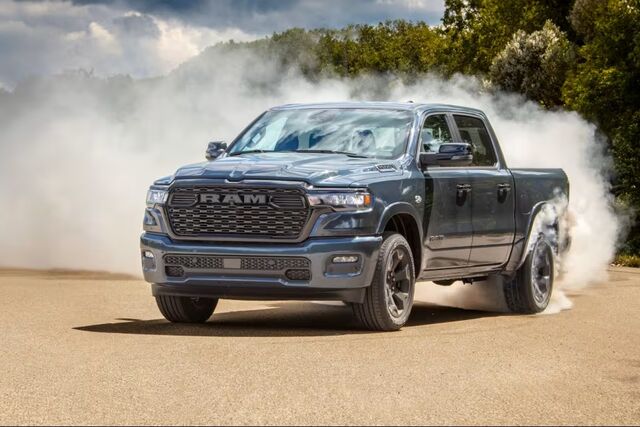
World No. 4 carmaker Stellantis posted results that showed solid growth in the US with second-quarter sales up 6%, including an 11% increase for high-margin pickup trucks.
Detroit rivals Ford and General Motors have already raised their profit outlook for this year, citing US demand for pickup trucks, one of the most profitable segments.
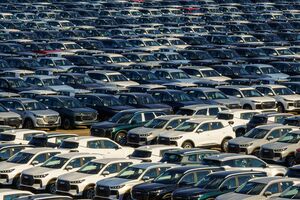
Yet in Europe, where Stellantis faces new lower-cost Chinese arrivals such as BYD or Chery, sales were up only 3% as the automaker was forced to lower its prices.
French rival Renault also says it is battling to avoid lowering prices in the face of Chinese competition.
Former Aston Martin CEO Andy Palmer said those selling pickups in the US, which is closed to Chinese carmakers, were gaining respite for now from pressures in other markets where they have to balance selling combustion engine cars with developing new electric ones and fending off Chinese rivals.
"The good news is you're profiting from legacy stuff like pickup trucks, but you're not making the change," Andy says, referring to the stalling but steady shift to EVs. "And if you don't make the change, you don't fund the future."
For decades, it rode high on a reputation for technological excellence and, like fellow premium German brands Mercedes-Benz and Porsche, a long heritage that it could monetize with wealthy car buyers.
But BMW's sales in China fell 30% in the second quarter and it is on track for a third consecutive year of decline in the world's largest car market.
Munich-based BMW has not helped itself by being slow to launch its Neue Klasse, or "new class," of electric vehicles in China, where local automakers develop flashy new electric cars at a blistering pace.
It will now review working practices once deemed "untouchable" after a 35% quarterly profit drop.
BMW is not alone. Porsche will cut one in five jobs as slumping China sales have hit home. Falling China sales have forced Mercedes to scrap sales and revenue forecasts.
Their margins are evaporating because Chinese rivals are launching premium models with the latest tech at lower prices, forcing German premium brands to discount.
Even Japan's Toyota, which has fared better than most legacy manufacturers, says its sales in China fell 17.1% in the first half of the year.
"Legacy carmakers are such a long way behind in China," Andy says. "They need to find ways to catch up."
- BMW says it will cut several thousand jobs in Germany by the end of 2027 under a voluntary redundancy programme. It is the latest German carmaker to axe staff in response to squeezed profits and weak demand. Reuters reports that it could be as many as 8 000 people. The Munich-based group currently employs about 150 000 people worldwide. Volkswagen and Mercedes-Benz have already struck agreements to cuts tens of thousands of workers, as Germany's automotive sector comes under pressure from the costly shift to electric vehicles, intense competition from China and tariffs form the US. Sports car maker Porsche, part of the Volkswagen Group, ramped up its restructuring to cut some 20% of staff by 2035.