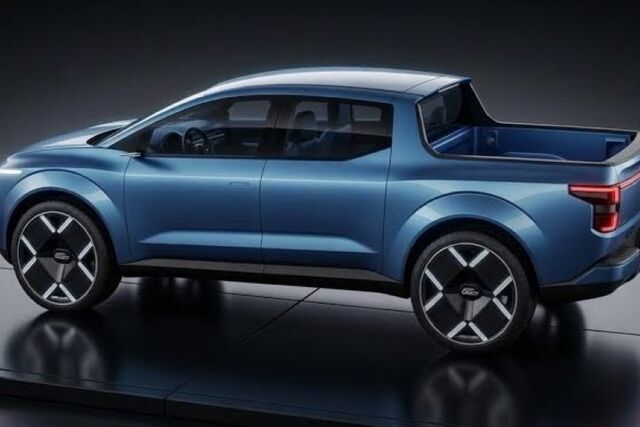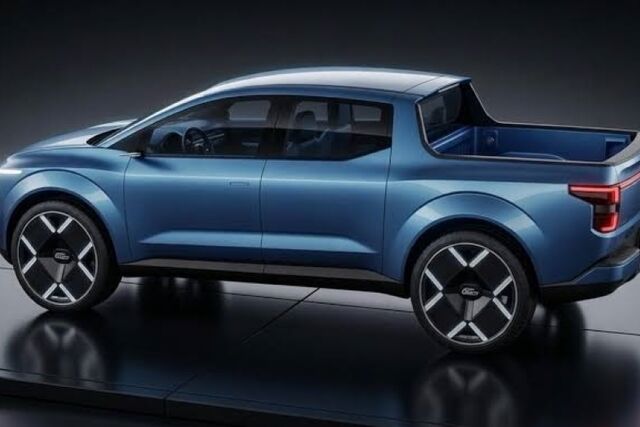
The company’s upcoming Fathom midsize electric pickup is being positioned as a cheaper route into electric truck ownership, with a starting price reportedly below R483 000 once destination charges are included. That matters in a market where many battery-powered pickups have been large, expensive and aimed at wealthier early adopters.
To make the numbers work, Ford is overhauling its Louisville Assembly Plant in Kentucky in the United States (US) and shifting the Fathom onto a new Universal EV Platform. Instead of adapting an old petrol-powered layout, the vehicle has been designed around electric architecture from the start. That should help reduce wasted space, simplify the structure and make room for passenger and cargo practicality.
The bigger change, however, is the way the truck will be built. Ford’s Universal Electric Vehicle (EV) Production System moves away from the familiar single assembly line in favour of a so-called assembly tree. Major front, rear and battery-based interior sections are built at the same time, then brought together later. The benefit is not just speed, but access. Workers can install parts in open sections rather than reaching awkwardly into a nearly finished body shell.
Ford is also using large aluminium castings, or unicasting, to replace many smaller stamped and welded components. Fewer parts can mean fewer joins, less weight and a lower chance of production variation. Tesla helped prove the value of this approach with gigacasting, but Ford is trying to apply it to a more mainstream, work-ready vehicle.
The risk is that a cleaner factory plan does not automatically guarantee a successful truck. Buyers will still want useful range, dependable charging, strong durability and sensible running costs. Yet the strategy is clear: Ford believes affordable EVs cannot rely on battery breakthroughs alone. They may need a complete rethink of how vehicles are designed, assembled and priced for everyday use.